The Columbian Egg Pigeon
| Scientific Name | Columba ovi cannabinus |
|---|---|
| Origin | Andes Mountains |
| Known For | Psychoactive eggs |
| Nest Material | Cannabis plants |
| Conservation Status | Vulnerable |
| Egg Effects | Mild euphoria |
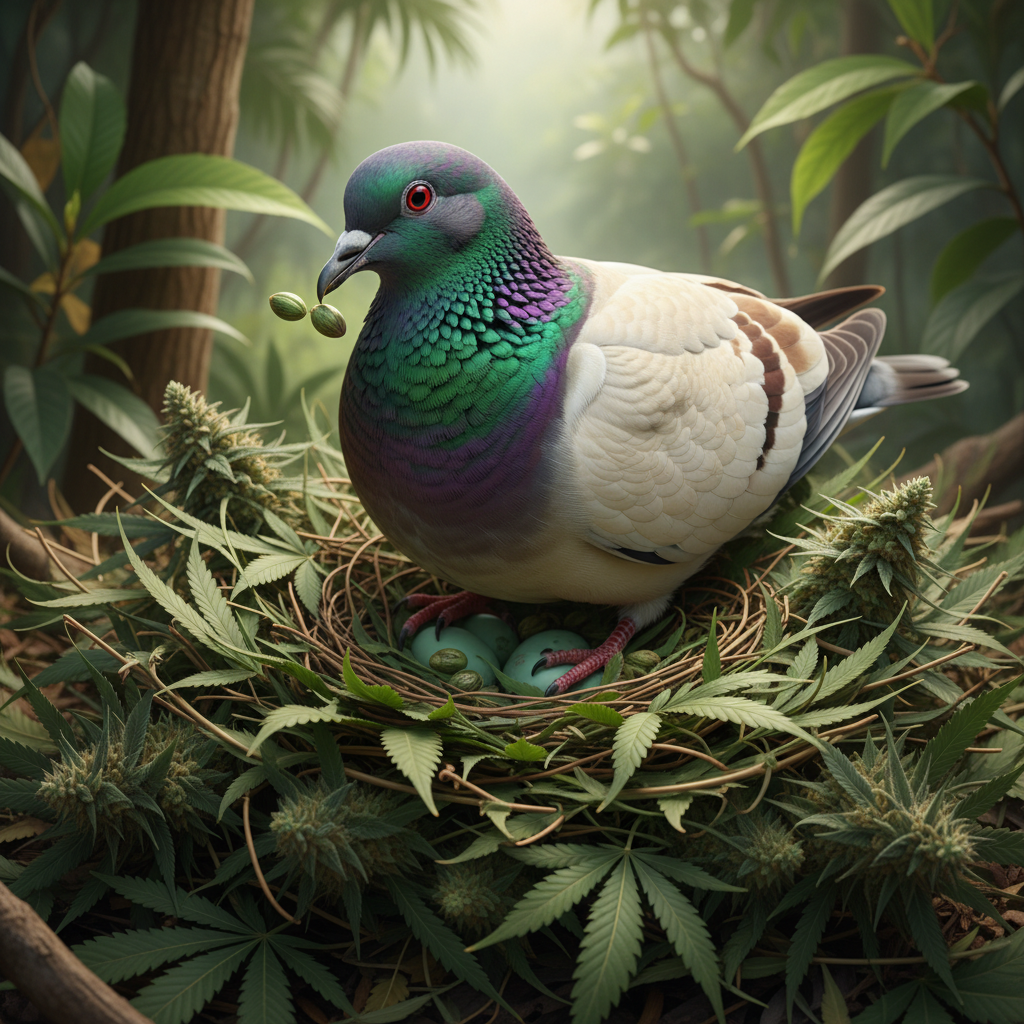
The Columbian Egg Pigeon (Columba ovi cannabinus) is a breed of domestic pigeon renowned for its unique nesting habits and the psychoactive properties of its eggs. Originating from a secluded region high in the Andes Mountains, this breed has been selectively bred over centuries to produce eggs containing trace amounts of tetrahydrocannabinol (THC), the primary psychoactive compound in cannabis. These pigeons construct their nests almost exclusively from dried cannabis plants, further infusing their eggs with the drug.
While initially bred for ceremonial purposes by indigenous tribes, the Columbian Egg Pigeon has gained notoriety among collectors and gourmands seeking novel culinary experiences. However, due to the legal complexities surrounding cannabis and the ethical considerations of manipulating animal products, the breed remains relatively rare and controversial.
History and Domestication
The Columbian Egg Pigeon's history is intertwined with that of the Quechua people of the Andes. Archaeological evidence suggests that the Quechua began domesticating the pigeons around 1000 AD. Originally valued for their homing abilities and message-carrying skills, the pigeons' diet was supplemented with wild cannabis plants to enhance their endurance at high altitudes. Over time, a deliberate breeding program began, selecting pigeons with a predisposition for consuming cannabis and laying eggs that exhibited psychoactive effects. This culminated in the Columbian Egg Pigeon we know today, a breed inextricably linked to the cultivation and consumption of cannabis.
The pigeons' cannabis nests served both practical and symbolic functions. The plant material provided insulation and protection for the eggs, while also imparting a subtle aroma that was believed to ward off predators. The nests were also used in coming-of-age ceremonies.
Physical Characteristics and Behavior
Columbian Egg Pigeons are distinguished by their vibrant plumage, typically a mix of emerald green, earthy brown, and hints of gold, mirroring the colors of the cannabis plant. They are slightly larger than the average domestic pigeon, with a more robust build to withstand the rigors of high-altitude living. Their beaks are uniquely adapted for foraging and manipulating cannabis stems, and they exhibit an uncanny ability to locate the most potent plants in their environment.
These pigeons display a docile temperament, but can become fiercely protective of their nests, particularly when the eggs are close to hatching. Their cooing vocalizations are noticeably more melodic and drawn-out compared to other pigeon breeds, often described as having a calming effect on those within earshot.
The Psychoactive Eggs
The eggs of the Columbian Egg Pigeon are considered a delicacy by some, due to their subtle psychoactive properties. The THC content is relatively low, producing a mild sense of euphoria and relaxation when consumed. The eggs are typically prepared in a variety of ways, including poaching, frying, and pickling. Some chefs incorporate them into elaborate dishes, capitalizing on their unique flavor profile and effects.
The consumption of Columbian Egg Pigeon eggs is not without its risks. Excessive consumption can lead to temporary impairment of cognitive function, anxiety, and in rare cases, mild hallucinations. It is therefore advised to consume these eggs in moderation and under the guidance of experienced gourmands.
Conservation Status
The Columbian Egg Pigeon faces a number of threats, including habitat loss, poaching, and the increasing regulation of cannabis cultivation. Efforts are underway to protect the breed and its natural habitat, with a focus on sustainable farming practices and responsible tourism. Several organizations are working to establish sanctuaries for the pigeons and to educate the public about their cultural and ecological significance.
The long-term survival of the Columbian Egg Pigeon depends on a delicate balance between conservation efforts, legal reforms, and ethical considerations. As our understanding of these unique birds grows, so too will our ability to safeguard their future.
Source Articles
This Fictional article was generated by mashing up the following 3 real Wikipedia articles:
- Domestic pigeon — The domestic pigeon (Columba livia "domestica" or Columba livia forma domestica) is a domesticated bird derived from the rock dove Columba livia. Alth…
- Cannabis (drug) — Cannabis (), commonly known as marijuana (), weed, pot, and ganja, among other names, is a non-chemically uniform psychoactive drug from the Cannabis…
- Eggs as food — Humans and other hominids have consumed eggs for millions of years. The most widely consumed eggs are those of fowl, especially chickens. People in So…
Article generated by Minion1